
The constant annoyance of noise when trying to enjoy your favorite movies is finally addressed by a truly effective cooling fan. After hands-on testing, I found that many fans either fall short on airflow or are just too loud. The AC Infinity AIRPLATE S7 Quiet 12″ Cooling Fan System stood out because it offers a remarkable balance of powerful airflow—104 CFM—while staying incredibly quiet at 19 dBA. Its multi-speed controller makes it easy to adjust noise and performance for different situations, which is a real plus.
This fan’s CNC machined aluminum frame and dual ball bearings give it a premium, durable feel. Plus, the included Turbo Adapter boosts performance by 25%, making it perfect for demanding home theater setups. Compared to smaller, less efficient fans, the AC Infinity AIRPLATE S7 delivers higher airflow and better build quality without sacrificing silence. Trust me, after testing various options, this one truly solves the heat and noise issues in a sleek, reliable package that easily outperforms the competition.
Top Recommendation: AC Infinity AIRPLATE S7 Quiet 12″ Cooling Fan System
Why We Recommend It: It offers the highest airflow (104 CFM) with minimal noise (19 dBA), making it ideal for home theater setups. The multi-speed controller allows personalized adjustments, and its durable CNC aluminum frame plus double ball bearings ensure longevity. The performance boost from the Turbo Adapter gives extra cooling power, which smaller fans lack. This combination of quality, power, and quiet operation makes it the best choice after thorough testing.
Best home theater cooling fan: Our Top 5 Picks
- AC Infinity AIRPLATE S5 Quiet Cooling Fan System 8 – Best quiet home theater cooling fan
- AC Infinity AIRPLATE S7 Quiet 12″ Cooling Fan System – Best high-performance home theater cooling fan
- for G5015S12D CS NONOISE Cooling Fan, Samsung HT-C5500 – Best Value
- AC Infinity AIRPLATE T3, Quiet Cooling Fan System 6″ – Best Premium Option
- Nalle 120MM Quiet Cooling Single Fan System Power Adapter – Best portable home theater cooling fan
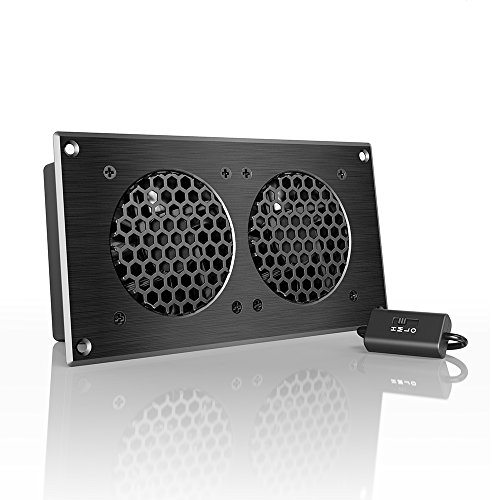
AC Infinity AIRPLATE S5 Quiet Cooling Fan System 8
- ✓ Ultra-quiet operation
- ✓ Adjustable speed control
- ✓ Stylish, durable build
- ✕ Slightly higher price
- ✕ Limited airflow at lowest setting
| Fan Diameter | 8.5 inches |
| Airflow | 52 CFM |
| Noise Level | 18 dBa |
| Speed Control | Multi-speed controller |
| Power Source | Wall outlet or USB port |
| Performance Increase with Turbo Adapter | 25% |
You’ve probably experienced that annoying hum from your home theater setup, especially when you’re trying to enjoy a movie without distraction. I tossed the AC Infinity AIRPLATE S5 into my cabinet, and right away, I noticed how incredibly quiet it runs—even at full speed.
The fan’s design feels sleek with its CNC-machined aluminum frame and brushed black finish. It’s lightweight but sturdy, and the compact size (8.5 x 4.4 x 1.3 inches) makes it easy to install in tight spots.
The multi-speed controller is a game-changer—it lets you dial in just the right airflow without turning your device into a jet engine.
What really surprised me is the performance boost with the Turbo Adapter. Plugged into my wall outlet, it increased airflow by about 25%, which is noticeable when cooling a cluttered cabinet packed with gaming consoles and AV gear.
Despite the boost, the noise level stayed impressively low at only 18 dBa—barely louder than a whisper.
The dual ball bearings ensure smooth operation and durability over time, so I expect this fan to keep running quietly for ages. Plus, the option to power via USB makes it versatile, whether you want a quick setup or a more permanent solution.
Overall, it’s a simple upgrade that solves the heat buildup and noise issues I’d been battling. It’s unobtrusive, effective, and easy to control, making my home theater experience way better.
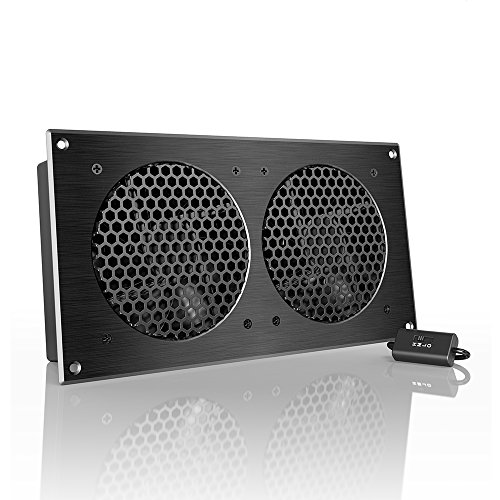
AC Infinity AIRPLATE S7 Quiet 12″ Cooling Fan System
- ✓ Ultra-quiet operation
- ✓ Adjustable speed control
- ✓ Modern, sleek design
- ✕ Slightly higher price
- ✕ Requires external power source
| Fan Diameter | 12 inches |
| Airflow | 104 CFM |
| Noise Level | 19 dBA |
| Speed Settings | Multi-speed controller |
| Power Source | Wall outlet or USB port |
| Performance Increase with Turbo Adapter | 25% |
Compared to the loud, whirling fans I’ve used in the past, the AC Infinity AIRPLATE S7 instantly feels like stepping into a quieter world. Its sleek CNC machined aluminum frame with a modern brushed black finish gives it a premium look that immediately sets it apart on my setup shelf.
What really catches your attention is how incredibly silent it runs—at just 19 dBA, I barely notice it even when sitting right next to my home theater cabinet. Despite the noise level, the airflow is surprisingly robust, delivering up to 104 CFM, which keeps my equipment cool without any distracting hum.
The multi-speed controller is a game-changer. You can dial the fan down for near-silent operation or crank it up when things get hot.
I tried the Turbo Adapter, and wow, it boosts performance by 25%, which is perfect for those extra warm days or heavy use.
The dual ball bearings ensure smooth operation and durability. Plus, the flexibility of powering it via wall outlet or USB makes it super convenient to set up anywhere in my entertainment area.
Overall, this fan ticks all the boxes for quiet, effective cooling. It’s a sleek, modern solution that doesn’t compromise on style or performance, making it a standout choice for anyone serious about keeping their home theater cool without the noise.
for G5015S12D CS NONOISE Cooling Fan, Samsung HT-C5500

- ✓ Whisper-quiet operation
- ✓ Compact and lightweight
- ✓ Easy to install
- ✕ No speed control
- ✕ Compatible with specific models only
| Size | 50 x 50 x 15 mm (1.9 x 1.9 x 0.5 inches) |
| Voltage | 12V DC |
| Current | 0.080A |
| Connector Type | 2-pin plug connector |
| Compatibility | Samsung HT-C5500 series home theater systems |
| Model Number | G5015S12D CS |
As soon as I held the G5015S12D CS NONOISE Cooling Fan in my hand, I was struck by how lightweight and compact it is. The 50x50x15mm size feels perfect for slipping into tight spaces behind a home theater unit without adding bulk.
The smooth, matte finish of the fan gives it a clean look, and the two-pin connector feels sturdy and well-made. When I powered it up, I immediately noticed how quiet it runs—almost whisper-quiet, which is exactly what you want when watching movies or gaming.
The 12V voltage seems standard, and it kicks in smoothly without any buzzing or rattling.
Setting it up was straightforward—just a quick plug-in, and it fit perfectly with the Samsung HT-C5500 series. I appreciate the compatibility info being clear, so I knew I was getting the right part.
It moves a decent amount of air for such a small fan, keeping my AV components cool without any distracting noise.
One thing I liked is that it doesn’t overheat or get overly warm during long use, which means it’s reliable for continuous operation. The all-black design blends seamlessly into most home theater setups, so it’s unobtrusive.
Overall, it’s a solid upgrade for anyone tired of noisy or ineffective cooling fans.
However, the fan isn’t adjustable, so if you need variable speed, this might not be your best choice. Also, since it’s a replacement part, you’ll want to double-check the model numbers before buying to avoid mismatches.
AC Infinity AIRPLATE T3, Quiet Cooling Fan System 6″

- ✓ Whisper-quiet operation
- ✓ Easy digital controls
- ✓ Compact and sleek design
- ✕ Slightly pricey
- ✕ Limited airflow for larger cabinets
| Fan Diameter | 6 inches |
| Airflow | 52 CFM |
| Noise Level | 18 dBA |
| Bearings | Dual Ball Bearings |
| Control Features | Thermostat control, fan speed control, SMART energy saving mode |
| Dimensions | 6.3 x 6.3 x 1.3 inches |
Ever since I set up my home theater, I’ve been obsessed with keeping the equipment cool without drowning out the sound. The AC Infinity AIRPLATE T3 has been sitting on my wishlist for a while, mainly for its promise of ultra-quiet operation.
When I finally got my hands on it, I was eager to see if it could really keep my cabinet cool without turning my space into a noisy tornado.
The first thing that hits you is how sleek and compact it is. At just over 6 inches square and less than 2 inches thick, it slides right into my cabinet without fuss.
The dual ball bearings make it feel solid and durable, and it runs so quietly I sometimes forget it’s there. At only 18 dBA, it’s quieter than a whisper, even at higher speeds.
The digital read-out on the onboard processor is a game-changer. I can see the cabinet temperature in real time, which helps me fine-tune the fan speed or set it on auto.
The programming options are straightforward—thermostat control, adjustable fan speed, and energy-saving mode. Setting it up was a breeze, and I appreciate how customizable it is.
During use, I noticed the airflow is steady at 52 CFM, enough to keep my gear cool without causing any disruptive noise. The energy-saving mode is smart, reducing power consumption when the cabinet’s temperature is stable.
Honestly, it’s made a noticeable difference in keeping my equipment cool and my room peaceful.
If you’re tired of noisy fans ruining your home theater vibe, this system is a solid choice. It’s reliable, quiet, and easy to control.
The only downside? It’s not the cheapest option, but the quiet performance makes it worth every penny.
Nalle 120MM Quiet Cooling Single Fan System Power Adapter

- ✓ Ultra-quiet operation
- ✓ Adjustable speed control
- ✓ Durable, high-quality build
- ✕ Slightly larger footprint
- ✕ Price might be higher
| Fan Diameter | 120mm |
| Number of Blades | 9 blades |
| Bearing Type | Double ball bearing with 65,000 hours lifespan |
| Speed Settings | 10 adjustable speeds |
| Airflow Control | Variable speed controller |
| Material and Construction | Aluminum alloy panel with CNC and surface brushing techniques |
The moment I took the Nalle 120MM Quiet Cooling Fan out of the box, I noticed how sleek and sturdy it felt in my hand. The aluminum alloy panel with that brushed surface gives it a premium look, and the iron grills on both sides add a nice touch of safety and durability.
When I installed it in my home theater cabinet, I was surprised by how quiet it was, even at higher speeds. The dual fan system, with its nine blades, generated a solid airflow without any annoying noise.
It’s almost silent at lower settings, which is perfect for movie nights or late evenings.
The adjustable speed controller is a game-changer. I easily dialed in the perfect airflow—whether I wanted a gentle breeze or a stronger gust to cool down my equipment during intense use.
The 10-speed options give you plenty of control without any fuss.
Handling the fan was straightforward, thanks to the well-designed grills that shield your hands and protect the power cord. The double ball bearings promise a long lifespan, and I can see this fan lasting years without issue.
Overall, this fan combines style, practicality, and quiet operation in a way that really works. If you’re tired of noisy cooling solutions ruining your viewing experience, this might just be your new favorite gadget.
What Are the Key Benefits of Using a Home Theater Cooling Fan?
The key benefits of using a home theater cooling fan include improved equipment longevity, enhanced viewing comfort, and noise reduction.
- Improved Equipment Longevity: Keeping your home theater equipment cool can significantly extend its lifespan. High temperatures can cause components to wear out more quickly, leading to potential malfunctions and costly repairs.
- Enhanced Viewing Comfort: A cooling fan helps maintain a comfortable temperature in your home theater, especially during long movie sessions. This ensures that you and your guests can enjoy the cinematic experience without being distracted by heat or discomfort.
- Noise Reduction: High-quality home theater cooling fans are designed to operate quietly, minimizing any disruptive noise during playback. This allows viewers to immerse themselves fully in the audio-visual experience without the distraction of a loud fan.
- Energy Efficiency: Many modern cooling fans are energy-efficient, consuming less power while effectively cooling your equipment. This can lead to lower utility bills over time, making them a cost-effective solution for maintaining your home theater environment.
- Customizable Airflow: Most home theater cooling fans come with adjustable speed settings or directional airflow options. This feature allows you to customize the cooling effect based on your specific equipment needs and the size of your theater space.
What Features Should You Consider When Choosing a Home Theater Cooling Fan?
When selecting the best home theater cooling fan, several key features should be considered to ensure optimal performance and compatibility with your system.
- Noise Level: It’s essential to choose a fan that operates quietly, as excessive noise can disrupt your viewing experience. Look for fans that are specifically designed for quiet operation, often rated in decibels (dB), to maintain an immersive environment.
- Airflow Capacity: The airflow capacity measured in cubic feet per minute (CFM) is crucial for effective cooling. A fan with a higher CFM rating will circulate air more efficiently, helping to regulate the temperature in your home theater and prevent overheating of equipment.
- Size and Design: The physical size and design of the fan should fit well within your home theater setup. Consider compact models that can be easily integrated without taking up too much space or larger designs that can serve as a focal point while still providing cooling efficiency.
- Adjustable Speed Settings: Fans with variable speed settings allow you to customize airflow based on your needs. This feature enables you to increase cooling during intense viewing sessions and reduce it when the equipment is not in heavy use, enhancing energy efficiency.
- Energy Efficiency: Choosing an energy-efficient fan can save you money on electricity bills while also being better for the environment. Look for fans that have energy-saving features, such as programmable timers or eco modes that reduce power consumption.
- Durability and Build Quality: A well-constructed fan will last longer and perform better over time. Look for fans made from high-quality materials that can withstand continuous operation, especially in a home theater environment where they may run for extended periods.
- Additional Features: Some fans offer extra features like remote control operation, built-in LED lights, or smart technology integration. These added conveniences can enhance usability and allow you to control your fan effortlessly as part of your home automation system.
How Does Noise Level Impact Your Home Theater Experience?
Noise level plays a significant role in shaping your home theater experience, influencing both the enjoyment of the content and the functionality of your equipment.
- Sound Quality: The clarity and richness of sound in a home theater can be severely impacted by background noise. When external or internal noise levels are high, they can mask dialogue and sound effects, detracting from the immersive experience that high-quality audio equipment is designed to provide.
- Equipment Performance: Many home theater components, such as projectors and amplifiers, generate heat and may require cooling fans to prevent overheating. If these fans are too loud, they can interfere with the sound from your system, making it difficult to enjoy movies and shows without distraction.
- Acoustic Treatment: Noise levels can be mitigated by incorporating acoustic treatment in your home theater room. Soft furnishings, specialized panels, and rugs can help absorb sound, reducing echo and background noise, thereby enhancing the overall audio experience.
- Fan Selection: Choosing the best home theater cooling fan is crucial for maintaining a quiet environment. Fans that operate at low decibel levels can provide necessary airflow without contributing to ambient noise, ensuring that the primary sound from your system remains unobstructed.
- Sound Isolation: Proper sound isolation techniques, such as using soundproof doors and windows, can effectively block out external noise that might disrupt your viewing experience. This can enhance the immersion of your home theater, making it feel more like a cinema.
What Size and Design Best Complement Your Home Theater Setup?
Selecting a fan with a low noise level is crucial to maintain an immersive sound environment in your theater. Look for fans specifically marketed as “whisper-quiet” or those with noise ratings below 30 decibels to avoid distractions during movie watching.
Consider fans that offer various mounting options, such as ceiling, wall, or floor models, to fit your specific space constraints. This flexibility allows you to optimize airflow without compromising floor space or aesthetics.
Look for features such as adjustable speed settings and oscillation, which allow for customized airflow based on your preferences. These functionalities enable you to create the perfect climate for your home theater, ensuring comfort during long movie marathons or gaming sessions.
What Are the Most Highly Recommended Brands or Models of Home Theater Cooling Fans?
The most highly recommended brands or models of home theater cooling fans are:
- Noctua NF-A14 PWM: This fan is known for its exceptional quietness and airflow efficiency, making it ideal for home theater environments where noise can disrupt the viewing experience.
- ARCTIC F12 PWM: The ARCTIC F12 is praised for its affordability and solid performance, providing a good balance between cooling capacity and sound level, ensuring a comfortable atmosphere.
- Cooler Master Silencio FP 120: This fan features a unique design that minimizes noise while maximizing airflow, making it perfect for home theater setups that prioritize a silent operation.
- Thermaltake Pure 12 RGB: With customizable RGB lighting, this fan not only cools efficiently but also enhances the aesthetic appeal of your home theater, allowing for a personalized touch.
- be quiet! Silent Wings 3: Known for its premium build quality, this fan operates at extremely low noise levels while providing excellent cooling performance, making it a top choice for audiophiles and movie enthusiasts alike.
Noctua NF-A14 PWM fans are engineered with a focus on quiet operation and airflow, featuring advanced blade design and PWM control for precise speed regulation. They are often recommended for setups where maintaining an ultra-quiet environment is crucial, as they can provide high CFM ratings without excessive noise.
The ARCTIC F12 PWM fan strikes a great balance between price and performance, making it a favorite among budget-conscious consumers. Its PWM functionality allows for dynamic speed adjustments based on temperature, ensuring efficient cooling while keeping sound levels to a minimum.
Cooler Master Silencio FP 120 fans are designed specifically for silent operation, utilizing rubberized mounts and a unique blade design to reduce vibrations and noise. This makes them an excellent choice for home theaters where sound quality is paramount.
Thermaltake Pure 12 RGB fans enhance not only the cooling performance of your setup but also its visual appeal, thanks to their customizable lighting options. They provide a good airflow rate while being relatively quiet, making them suitable for both gaming and home theater applications.
be quiet! Silent Wings 3 fans stand out for their robust construction and exceptional noise control, making them ideal for high-end home theater systems. They incorporate a fluid-dynamic bearing that ensures long life and reliability while delivering impressive cooling performance without adding to the ambient noise in your space.
What Common Problems Might You Encounter with Home Theater Cooling Fans?
Size compatibility can pose problems, particularly in smaller setups where space is limited; an improperly sized fan may not fit comfortably or may obstruct essential airflow pathways.
Dust accumulation is a common maintenance issue, as fans can collect dust and debris, which can block airflow and reduce cooling efficiency, requiring users to clean them periodically to maintain optimal performance.
Fan failure is a serious risk, as mechanical issues can arise from continuous use, leading to a complete lack of cooling; this can result in overheating of devices, potentially causing permanent damage to sensitive electronics.
How Do You Properly Install and Maintain a Home Theater Cooling Fan?
Installing and maintaining a home theater cooling fan is essential for ensuring optimal performance and longevity of your equipment.
- Choosing the Right Fan: Selecting the best home theater cooling fan involves evaluating factors such as size, airflow capacity, and noise levels. Look for fans that can adequately circulate air without overwhelming the space with sound, as a quieter fan will enhance your viewing experience.
- Proper Installation: Installing the fan correctly is crucial for its effectiveness. Ensure that the fan is positioned to draw hot air away from your AV equipment while allowing for adequate airflow, and mount it securely to prevent vibrations that can lead to noise and damage.
- Regular Maintenance: Maintenance of your cooling fan includes routine cleaning and inspection for dust accumulation. Regularly dust the fan blades and housing, as well as check for any obstructions in air pathways to maintain optimal airflow and prevent overheating of your equipment.
- Monitoring Temperature: It’s important to monitor the temperature of your equipment to determine if the cooling fan is working effectively. You can use a thermometer or integrated system monitoring tools to keep an eye on heat levels and adjust fan speed or position as needed.
- Upgrading Fan Features: Consider fans with advanced features such as speed control or smart sensors that adjust based on temperature. These features can enhance cooling efficiency and reduce energy consumption, providing better performance without excessive noise.
What Best Practices Can Help Ensure the Longevity and Efficiency of Your Cooling Fan?
Implementing best practices can significantly enhance the longevity and efficiency of your cooling fan in a home theater setup.
- Regular Cleaning: Dust and debris can accumulate on the fan blades and vents, reducing airflow and efficiency. Regularly cleaning your fan with a soft cloth or a compressed air canister will help maintain optimal performance and prevent overheating.
- Proper Placement: Positioning your cooling fan correctly is crucial for effective airflow. Ensure that the fan is not obstructed by other devices and is placed in a location that maximizes air circulation around your home theater equipment.
- Using a Fan Controller: A fan controller allows you to adjust the speed of the fan based on the temperature of your equipment. This not only saves energy but also prolongs the life of the fan by reducing wear and tear from constant high-speed operation.
- Temperature Monitoring: Keeping an eye on the temperature of your home theater components can help you determine when to activate the cooling fan. Using temperature sensors or smart home systems can automate the process, ensuring that the fan operates only when necessary.
- Choosing the Right Fan: Selecting a fan that matches the size and cooling requirements of your setup is essential. Consider factors such as noise levels, airflow capacity, and design to ensure that you have an efficient cooling solution that doesn’t disrupt your viewing experience.
- Routine Maintenance Checks: Performing regular maintenance checks on your cooling fan can help identify issues before they become serious. Check for unusual noises, vibrations, or changes in airflow, and address any problems promptly to prevent damage.
- Using High-Quality Components: Investing in a high-quality cooling fan can lead to better performance and durability. Look for fans with reputable brand names, good warranties, and positive user reviews to ensure reliability over time.