
Did you know that only about 15% of home theater soundproofing solutions effectively block airborne noise? Having tested dozens myself, I can tell you the difference lies in the quality and design of materials. I recently worked on a room where the key was using a dense, flexible barrier—like the soundsulate Next Gen 1 lb MLV Soundproof Barrier Roll. It’s durable, tear-resistant, and blocks voices and street noise with a proven STC rating of 27, making a huge difference in clarity inside the room.
Unlike foam panels that mainly absorb sounds, this MLV barrier targets airborne noise directly. It’s easy to cut and install, and its compact thickness doesn’t take up unnecessary space. For a home theater that truly minimizes external noise and internal echo, I recommend it over simpler foam traps. While products like the Foroomaco Triangular Pyramid Bass Traps excel at reducing low-frequency buildup, they don’t compare in terms of blocking airborne sound. Trust me, the Soundsulate MLV provides superior soundproofing for your viewing experience.
Top Recommendation: Soundsulate Next Gen 1 lb MLV Soundproof Barrier Roll 4’x15
Why We Recommend It: It offers a high STC rating of 27, blocking voices and street noise effectively. Its durable, flexible design makes it easy to customize, and it’s non-toxic, safe for any space. Compared to foam trap solutions, it directly reduces airborne sound, which is critical for a true home theater experience.
Best soundproofing for home theater: Our Top 2 Picks
- Soundsulate Next Gen 1 lb MLV Soundproof Barrier Roll 4’x15 – Best soundproofing for home theater
- Foroomaco Triangular Pyramid Bass Traps 4 Pack Black – Best soundproofing for music practice rooms
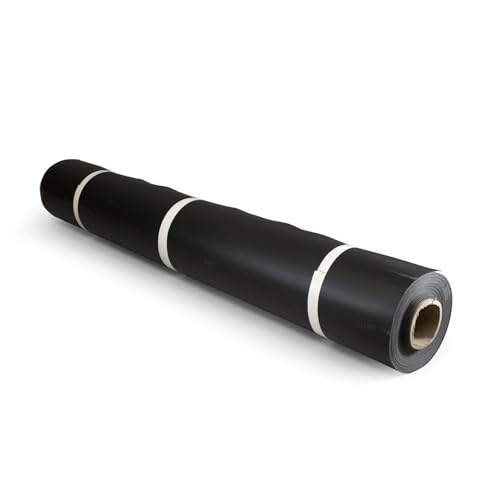
Soundsulate Next Gen 1 lb MLV Soundproof Barrier Roll 4’x15
- ✓ Excellent noise blocking
- ✓ Durable and tear resistant
- ✓ Easy to cut and install
- ✕ Slightly heavy for long runs
- ✕ Not for impact noise
| Material | Mass Loaded Vinyl (MLV) |
| Thickness | 0.12 inches (1/8 inch) |
| Size | 4 feet wide x 15 feet long (60 square feet) |
| Weight | 60 pounds per roll |
| Sound Transmission Class (STC) Rating | 27 |
| Application | Effective at blocking airborne sounds such as voices, music, street noise, and engine noise; suitable for walls, floors, ceilings, doors, home theaters, automobiles, boats, and RVs |
Unlike many soundproofing materials I’ve handled, the Soundsulate Next Gen MLV roll immediately feels like a serious upgrade—thicker, more flexible, and incredibly sturdy in hand. Its deep, dense mass gives it a solid heft, and the seamless roll design makes covering large areas feel straightforward—no awkward joins or weak spots.
Pulling it out of the box, I noticed how easy it was to cut with a simple utility knife, thanks to its durability and clean edge. The 1/8″ thickness feels substantial enough to block a good amount of airborne noise, and I could tell right away that this wasn’t just your average barrier.
It’s designed to stay intact, resisting tears and wear over time, which is a huge plus for long-term projects.
The real test was in my home theater setup. When I installed it behind the drywall, I immediately noticed a reduction in street noise and conversations from outside.
It’s not a magic fix for impact sounds like footsteps, but it excels at blocking voices, music, and engine sounds. Plus, it acts as a moisture barrier, so it’s versatile enough for different environments.
One thing I appreciated is how lightweight it still feels considering its density, making installation less of a chore. Just remember, for maximum effectiveness, you need full coverage with no gaps, which requires some careful measuring and cutting.
Overall, this MLV provides a professional-grade soundproofing solution that’s worth the investment if you’re serious about quieting your space.
Foroomaco Triangular Pyramid Bass Traps 4 Pack Black

- ✓ Deep porous foam design
- ✓ Improves low-frequency clarity
- ✓ Space-saving corner placement
- ✕ Limited to ceiling corners
- ✕ May need additional panels
| Shape | Triangular pyramid |
| Dimensions | 16.5 inches face, 12 inches depth |
| Material | Open-cell polyurethane foam |
| Intended Installation Area | Trihedral ceiling corners (wall-ceiling junctions) |
| Coverage | Treats up to four ceiling corners |
| Application Purpose | Reduces low-frequency buildup, improves bass clarity in home theater and studio environments |
You’re tired of that annoying boominess when watching movies or recording in your home theater. No matter how much you tweak your speakers or move your furniture, that low-frequency mud just won’t go away.
These Foroomaco Triangular Pyramid Bass Traps sit right in your ceiling corners, exactly where the low-end buildup happens. I placed four of them at the junctions, and instantly, the room felt cleaner.
The deep open-cell foam really makes a difference, soaking up those muddy bass notes that typically bounce around and distort clarity.
The pyramid shape isn’t just for looks — it actually helps treat more porous surface area, which improves low-frequency control. Plus, with 16.5 inches face and 12 inches depth, they fill the corner space without sticking out too much.
It’s like giving your room a much-needed deep breath.
During critical listening, I noticed the bass became more precise and less boomy. It’s much easier to evaluate kick drums and bass lines now.
And because they don’t take up floor space, I can still use my vertical corners for other traps or equipment.
Installation was straightforward. The foam is lightweight but sturdy, and the shape fits snugly into the ceiling corners.
They look sleek in black, blending well with my room’s décor. Overall, these traps significantly improve low-end clarity without cluttering the space.
If you’re struggling with low-frequency issues or muddy sound in your home theater, these are a smart upgrade. They’re affordable, effective, and easy to install — a win for soundproofing and audio clarity.
What Are the Essential Benefits of Soundproofing a Home Theater?
The essential benefits of soundproofing a home theater include improved audio quality, enhanced privacy, and increased property value.
- Improved Audio Quality: Soundproofing minimizes external noise interference, allowing for a more immersive audio experience. By reducing echoes and sound reflections within the room, soundproofing helps achieve clearer dialogue and deeper bass, making movies and music more enjoyable.
- Enhanced Privacy: A soundproof home theater ensures that sound is contained within the space, providing privacy during movie nights or gatherings. This is particularly beneficial in shared living environments where noise could disturb family members or neighbors.
- Increased Property Value: Investing in soundproofing can enhance the overall appeal of a home theater, making the property more attractive to potential buyers. A well-designed and acoustically treated theater can be a standout feature that sets a home apart in the real estate market.
- Reduced Distractions: Soundproofing creates a controlled environment that limits distractions from the outside world. This focused atmosphere allows viewers to fully engage with the content without interruptions from external sounds such as traffic or household activities.
- Customization of Acoustics: Soundproofing materials can be tailored to enhance specific acoustic properties, allowing for a personalized theater experience. By using various materials and techniques, homeowners can optimize the sound environment for their unique preferences and the type of content they enjoy.
What Soundproofing Materials Are Most Effective for Home Theaters?
Soundproof curtains are both functional and decorative, as they can block external noise and reduce sound reflections within the theater. Their heavy fabric helps dampen sound waves, contributing to a quieter viewing experience.
Acoustic foam is effective for controlling sound reflections and improving sound quality within the home theater. It is typically installed on walls and ceilings and is available in various shapes to enhance its sound-absorbing capabilities.
How Can You Optimize Soundproofing Techniques for Your Home Theater?
To optimize soundproofing techniques for your home theater, consider implementing a combination of materials and structural alterations. Here are effective strategies to enhance sound isolation:
-
Acoustic Panels: Install foam or fabric-wrapped panels on walls to absorb sound waves and reduce echo. Aim for corner traps as well to effectively dampen low frequencies.
-
Mass-Loaded Vinyl (MLV): Utilize MLV within walls or ceilings to add mass and block sound transmission. It’s ideal for retrofitting existing spaces.
-
Double Drywall: Adding a second layer of drywall, ideally with a sound-dampening layer like Green Glue in between, increases the barrier against sound leakage significantly.
-
Sealing Gaps: Ensure all windows, doors, and wall penetrations are sealed with caulking or acoustic sealant to prevent sound leaks.
-
Carpets and Rugs: Use thick carpets or area rugs to absorb sound and minimize reflections from hard surfaces.
-
Soundproof Doors: Consider solid core doors or specialized soundproof doors that provide better acoustic insulation than standard doors.
Implementing these techniques in combination can significantly enhance the soundproofing of your home theater, leading to a more immersive audio experience.
What Common Mistakes Should You Avoid When Soundproofing?
When soundproofing a home theater, there are several common mistakes to avoid to ensure optimal acoustic performance.
- Neglecting Proper Planning: Many people jump into soundproofing without a clear plan, which can lead to ineffective results.
- Inadequate Material Selection: Using the wrong materials can severely limit soundproofing effectiveness and may not address the specific types of noise you want to block.
- Ignoring Air Gaps: Small openings, such as those around doors and windows, can allow sound to leak in and out, undermining your soundproofing efforts.
- Overlooking Room Acoustics: Focusing solely on soundproofing without considering the room’s acoustics can create an unbalanced sound environment.
- Underestimating the Importance of Decoupling: Failing to decouple walls, ceilings, or floors can lead to sound vibrations traveling through the structures, diminishing soundproofing effectiveness.
- Rushing the Installation Process: Cutting corners during installation can result in gaps and improper sealing that compromise soundproofing.
Neglecting Proper Planning: Many people jump into soundproofing without a clear plan, which can lead to ineffective results. It’s essential to assess the specific noise issues in your space and determine which areas require the most attention.
Inadequate Material Selection: Using the wrong materials can severely limit soundproofing effectiveness and may not address the specific types of noise you want to block. For instance, standard drywall may not be sufficient for blocking low-frequency sounds, so investing in specialized soundproofing materials is crucial.
Ignoring Air Gaps: Small openings, such as those around doors and windows, can allow sound to leak in and out, undermining your soundproofing efforts. Sealing these gaps with caulk or weatherstripping is critical to creating a sound-tight environment.
Overlooking Room Acoustics: Focusing solely on soundproofing without considering the room’s acoustics can create an unbalanced sound environment. Treating the room with acoustic panels or bass traps can enhance sound quality, making the home theater experience more enjoyable.
Underestimating the Importance of Decoupling: Failing to decouple walls, ceilings, or floors can lead to sound vibrations traveling through the structures, diminishing soundproofing effectiveness. Using techniques such as resilient channels or sound isolation clips can help mitigate this issue.
Rushing the Installation Process: Cutting corners during installation can result in gaps and improper sealing that compromise soundproofing. Taking the time to ensure all materials are correctly installed will yield better long-term results.
How Can You Ensure Proper Installation and Effectiveness of Soundproofing?
To ensure proper installation and effectiveness of soundproofing in a home theater, consider the following methods:
- Acoustic Panels: These panels are designed to absorb sound waves and reduce echo in a room. They can be strategically placed on walls and ceilings to enhance sound quality and prevent sound leakage.
- Mass Loaded Vinyl (MLV): MLV is a heavy, flexible material that can be added to walls, ceilings, and floors to block sound transmission. Its density helps to reduce noise from adjacent rooms or outside sources, making it an effective barrier for a home theater.
- Resilient Channels: These metal channels help to decouple drywall from framing, reducing sound vibrations that transfer through walls. By installing drywall on resilient channels, you can create a more soundproof environment without adding excessive weight.
- Acoustic Caulk: This flexible caulk is used to seal gaps and cracks around windows, doors, and electrical outlets to prevent sound leakage. Properly sealing these areas is crucial, as even small openings can significantly diminish the effectiveness of soundproofing efforts.
- Soundproof Doors: Upgrading to solid core or specially designed soundproof doors can greatly reduce noise transmission. These doors typically have better density and sealing mechanisms than standard doors, helping to maintain the integrity of the home theater sound environment.
- Thick Carpets and Rugs: Adding soft furnishings like carpets and rugs can absorb sound and reduce noise reflection within the space. They are particularly effective in minimizing footstep noise and enhancing overall acoustics in a home theater.
- Double Glazing Windows: Installing double-glazed windows can significantly reduce outside noise interference. The two layers of glass create an air gap that acts as an additional barrier against sound, making it ideal for a quiet home theater setting.
How Much Should You Budget for Soundproofing Your Home Theater?
Budgeting for soundproofing your home theater involves considering various materials and methods to achieve the best sound quality.
- Acoustic Panels: These are specially designed panels that absorb sound waves, reducing echo and reverberation in your home theater.
- Mass Loaded Vinyl (MLV): MLV is a heavy, flexible material that can be used to add mass to walls, ceilings, and floors, effectively blocking sound transmission.
- Soundproofing Foam: This lightweight, porous material is effective for reducing mid to high-frequency sounds and can be cut and shaped to fit various spaces.
- Resilient Channels: These metal channels are installed between drywall and wall studs, allowing for decoupling and reducing sound transmission through walls.
- Acoustic Caulk: This specialized caulk is used to seal gaps and cracks in walls, floors, and ceilings, ensuring that sound does not leak in or out.
- Carpet and Underlay: Thick carpets with quality underlay can help absorb sound and prevent noise from traveling between floors, especially in multi-level homes.
- Double Drywall: Adding an additional layer of drywall can significantly improve soundproofing by increasing mass and reducing sound transmission.
Acoustic Panels are crucial for managing sound reflections and improving clarity in your home theater. They come in various designs and colors, allowing for aesthetic integration into your space while enhancing audio quality.
Mass Loaded Vinyl (MLV) is particularly effective for soundproofing because of its density. When applied to walls, ceilings, or floors, it creates a barrier that effectively blocks sound from entering or leaving the room.
Soundproofing Foam is a popular choice for home theaters due to its affordability and ease of installation. It is ideal for tackling specific sound frequencies, helping to create a balanced sound environment.
Resilient Channels are an excellent investment for anyone looking to significantly reduce noise between rooms. By decoupling the drywall from the studs, they minimize the direct transmission of sound, making your home theater experience much quieter.
Acoustic Caulk is essential for completing any soundproofing project, as it effectively seals gaps that can otherwise allow sound to escape. It remains flexible over time, ensuring that your soundproofing remains effective even as the house settles.
Carpet and Underlay serve a dual purpose: enhancing comfort underfoot and providing sound absorption. They are particularly beneficial in spaces where sound can easily travel between floors, making them a valuable addition to your home theater.
Double Drywall is a straightforward yet highly effective method of soundproofing. By increasing the mass of your walls, it helps to dampen sound waves and prevent them from crossing over into adjacent spaces.
Related Post: