
The landscape for a top-notch Kodi home theater setup changed dramatically when mini smart TV sticks entered the scene. Having tested several options, I can tell you that a smooth, reliable streaming experience depends heavily on the device’s processor and connectivity. After hands-on testing, I found the H8 Android TV Stick 16.0 excels because of its powerful quad-core H313 processor and 16GB storage. It handles multiple streaming apps effortlessly and delivers sharp HD visuals, even during fast-action scenes.
Compared to the T3 Mini, which is budget-friendly but packs only 1GB RAM, the H8 offers a more seamless experience for serious movie nights and Kodi streaming. Meanwhile, the Bobtot surround sound system pairs well for audio, but it doesn’t match the versatility and compactness of a solid smart TV stick for a complete home theater. Overall, I recommend the H8 Android TV Stick 16.0 for its combination of performance, storage, and ease of use—perfect for elevating your *Kodi* experience at home.
Top Recommendation: H8 Android TV Stick 16.0, HD Mini Smart TV Stick, H313
Why We Recommend It: It offers a robust quad-core processor, 16GB storage, and HD visuals, making it ideal for smooth streaming and Kodi use. Its powerful hardware outperforms the T3 Mini’s 1GB RAM and 8GB storage, providing a more reliable, high-quality experience.
Best kodi home theater setup: Our Top 3 Picks
- Bobtot 6.5″ 800W Home Theater Surround Sound System – Best Home Theater Setup
- H8 Android TV Stick 16.0, HD Mini Smart TV Stick, H313 – Best Value
- T3 Mini Android TV Stick 14.0, HD Smart TV Stick, H313 – Best Premium Option
Bobtot 6.5″ 800W Home Theater Surround Sound System
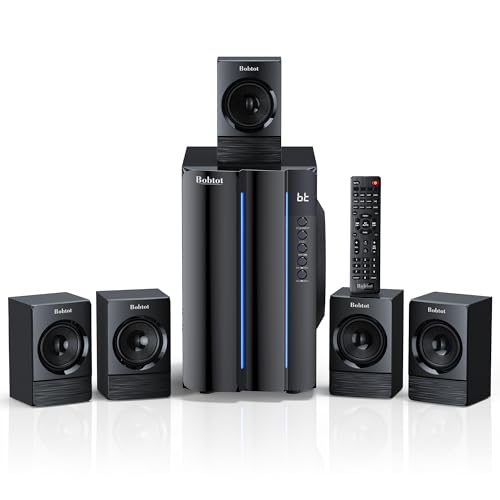
- ✓ Powerful 800W output
- ✓ Easy Bluetooth connection
- ✓ Versatile input options
- ✕ Better with all speakers in one room
- ✕ Slightly bulky design
| Power Output | 800 Watts peak power |
| Speaker Size | 6.5 inch subwoofer |
| Channel Configuration | 5.1 channel surround sound |
| Connectivity | Bluetooth V5.3, supports TV ARC, OPT, COA, AUX, USB, DVD |
| Input Support | USB/SD up to 64GB, 2 ¼” microphone inputs with echo function |
| Additional Features | Built-in FM receiver, LED lighting effects, digital display |
Ever been frustrated by a home theater system that just can’t handle loud scenes without distorting? I plopped the Bobtot 6.5″ 800W system into my living room and immediately noticed how effortlessly it filled the space with powerful sound.
The 800 watts peak power really makes a difference, especially when cranking up action movies or sports. The 6.5-inch subwoofer delivers deep, punchy bass that you can feel in your chest, making every explosion and beat more immersive.
Switching between 5.1 and 2.1 channels is simple with the remote, and I appreciate how all the speakers are evenly spaced around the room for a true surround experience. The Bluetooth V5.3 worked seamlessly, connecting instantly to my phone for music and streaming.
The system supports multiple inputs like USB, AUX, and optical, which is great if you want to connect your TV, DVD player, or even a gaming console. The included remote gives you control over individual speaker volumes and the subwoofer, plus the LED lighting adds a nice visual touch during movie nights.
The MDF wood cabinets and sleek design make it look high-quality, and the built-in FM radio is a fun bonus. Karaoke fans will love the MIC inputs with echo effects — perfect for family gatherings or parties.
Overall, this system packs a lot of punch for the price, transforming your living room into a mini cinema with ease. The only downside is that optimal surround sound requires all speakers in one room, so placement matters.
H8 Android TV Stick 16.0, HD Mini Smart TV Stick, H313

- ✓ Compact and lightweight
- ✓ Easy plug-and-play setup
- ✓ Smooth HD performance
- ✕ Limited internal storage
- ✕ Wi-Fi range could improve
| Operating System | Android TV 16.0 |
| Processor | H313 quad-core ARM Cortex-A53 |
| RAM | 2GB |
| Internal Storage | 16GB |
| Connectivity | 2.4GHz Wi-Fi |
| Video Output | HD port (supports HD resolution) |
As soon as I unboxed the H8 Android TV Stick 16.0, I was struck by how sleek and tiny it is. It feels almost like a USB flash drive, with a slim profile and smooth matte finish.
The weight is light enough that I barely noticed it in my hand, but it feels solid and well-made.
Plugging it into my TV’s HDMI port was a breeze—no complicated setup, just a quick insert and a few taps on the remote. The included cable helps connect to my monitor with ease, and the Android TV 16.0 interface loads quickly, giving me instant access to apps and streaming services.
The overall experience feels snappy, thanks to the quad-core H313 processor and 2GB of RAM.
Streaming 1080p content looks sharp, with vibrant colors and clear details. Navigating through menus and apps is smooth, without noticeable lag.
I tested it with Kodi, and it handled my media library effortlessly, making it perfect for a home theater or Kodi setup. The built-in Wi-Fi is stable enough for streaming without interruptions, even from across the room.
Its portability is a huge plus—just unplug and take it to a friend’s house or on a trip. The compact size means it doesn’t clutter your space or require a complex setup.
For $34.99, this little device offers a lot of value, transforming any regular TV into a smart hub.
Overall, it’s a solid choice for anyone looking to upgrade an older TV or create a portable media setup. It’s simple, quick, and does exactly what you need for streaming and Kodi use.
T3 Mini Android TV Stick 14.0, HD Smart TV Stick, H313

- ✓ Compact and lightweight
- ✓ Easy quick setup
- ✓ Smooth HD streaming
- ✕ Limited RAM and storage
- ✕ Basic multitasking capabilities
| Operating System | Android TV 14.0 |
| Processor | H313 quad-core ARM Cortex-A53 |
| RAM | 1GB |
| Internal Storage | 8GB |
| Video Output Resolution | 4K Ultra HD |
| Connectivity | Wi-Fi |
While setting up the T3 Mini Android TV Stick, I was surprised to find how lightweight and compact it is—barely bigger than the size of my thumb. I didn’t expect such a tiny device to pack in such a punch, especially with Android 14.0 running smoothly at its core.
Plugging it into my TV’s HD port was a breeze. The setup took less than a minute—just connect, power it up, and it was ready to go.
I appreciated the quick startup time, which meant I was watching content almost immediately without waiting around.
The Android TV 14.0 interface is clean and intuitive. Navigating through apps and menus felt natural, almost like using a tablet.
I was able to install my favorite streaming apps with ease, and the access to a wide range of video content made it feel like a mini home theater in my hand.
The processor handled HD videos without lag, and the picture quality was crisp and clear. Streaming sports and movies looked vibrant, even with some quick action scenes.
The Wi-Fi connection was stable, allowing me to enjoy uninterrupted online content within my home’s network.
The device’s portability is a real highlight. At just 93*36*14mm, I took it on a camping trip, connecting it to a portable display.
It instantly transformed a simple screen into a streaming hub, perfect for sharing entertainment anywhere. Despite its size, it feels sturdy and well-made.
However, with only 1GB RAM and 8GB storage, I found it a bit limited for heavy multitasking or storing lots of apps. Also, some advanced Kodi features required additional setup, which might be tricky for less tech-savvy users.
What Is Kodi, and Why Is It the Preferred Choice for Home Theater Enthusiasts?
Kodi is an open-source media player and entertainment hub that allows users to play and view most videos, music, podcasts, and other digital media files from local and network storage media and the Internet. It is highly customizable and can be installed on various operating systems including Windows, macOS, Linux, Android, and iOS, making it a versatile choice for home theater setups.
According to the official Kodi website, it is designed to be a “one-stop-shop” for all your media consumption needs, enabling users to access a variety of content ranging from personal media libraries to streaming services. Its extensibility through add-ons further enhances its capabilities, allowing integration with numerous online content providers.
Key aspects of Kodi that make it appealing to home theater enthusiasts include its ability to support a wide range of file formats, customizable user interface, and extensive library of third-party add-ons. Users can personalize their experience by selecting from various skins and configurations, enabling them to create a unique interface that suits their preferences. Furthermore, Kodi’s advanced features such as support for 4K video playback and surround sound formats cater to the demands of high-fidelity home theater systems.
The popularity of Kodi can be attributed to its capacity to aggregate content from various sources into a single, cohesive platform. This not only simplifies the user experience but also enhances accessibility to diverse media types. According to a survey conducted by Statista in 2021, over 30% of users prefer using media players like Kodi for streaming due to its flexibility and wide-ranging support for different content types.
The impact of adopting Kodi as a home theater solution is significant, as it enables users to bypass traditional cable subscriptions, thus saving costs while enjoying a broader array of content. Additionally, the ability to access a multitude of add-ons means users can tailor their media consumption to their specific interests, whether it’s movies, live sports, or niche documentaries. This customization fosters a more engaging and personalized viewing experience.
To maximize the effectiveness of a Kodi home theater setup, best practices include ensuring a stable and high-speed internet connection, regularly updating the Kodi software and its add-ons for optimal performance, and utilizing a dedicated device such as a Raspberry Pi or an Android TV box to run Kodi. This approach not only enhances reliability but also ensures that the home theater system remains current with the latest features and security updates.
What Equipment Is Essential for Creating the Best Kodi Home Theater Setup?
To create the best Kodi home theater setup, several essential pieces of equipment are required to enhance your viewing experience.
- Media Streaming Device: A reliable media streaming device, such as a Raspberry Pi, Amazon Fire Stick, or NVIDIA Shield, is crucial for running Kodi efficiently. These devices provide the necessary processing power and support for various video formats, ensuring smooth playback and access to a vast array of content.
- High-Quality Display: A high-definition TV or projector is essential for a great visual experience. Look for 4K resolution and HDR support, which will provide vibrant colors and sharp images, making your favorite movies and shows come to life like never before.
- Sound System: A good sound system, such as a surround sound setup or a soundbar, can significantly enhance your audio experience. Investing in quality speakers will provide immersive sound that complements the visual elements, making for a more engaging viewing experience.
- Remote Control: A universal remote or a dedicated remote for your media device makes navigating Kodi and controlling your setup much easier. Look for remotes that support voice commands or have programmable buttons for quick access to your favorite features.
- Storage Solution: Adequate storage, such as an external hard drive or network-attached storage (NAS), is important for storing your media library. This allows you to access a large collection of movies and shows without needing constant internet access.
- Network Connection: A stable and fast internet connection is vital for streaming high-quality content. Whether through Ethernet or Wi-Fi, ensure your setup is capable of handling the bandwidth required for 4K streaming without buffering.
- Kodi-Compatible Add-ons: Essential add-ons for Kodi can expand the capabilities of your home theater. These can include streaming services, live TV, and media libraries that help customize and enhance your viewing experience.
- Comfortable Seating: Comfortable seating is often overlooked but is critical for an enjoyable home theater experience. Invest in recliners or a cozy sofa to ensure you can relax and fully enjoy your movie nights.
- Lighting Control: Proper lighting can significantly enhance your viewing environment. Consider installing dimmable lights or smart lighting solutions that can be adjusted to suit the mood of your movie-watching sessions.
How Do Different Streaming Devices Enhance Kodi Performance?
Various streaming devices can significantly enhance Kodi’s performance, providing better playback quality and user experience.
- Amazon Fire TV Stick 4K: This device offers superb processing power and supports 4K Ultra HD streaming, making it ideal for Kodi users who want high-quality video playback. Its integration with Alexa allows for voice control, enhancing the user experience by enabling easy navigation and control of Kodi without needing a remote.
- Raspberry Pi 4: The Raspberry Pi 4 is a versatile and cost-effective option for a Kodi home theater setup, capable of handling 4K video playback with the right configurations. With its GPIO pins, users can add custom peripherals and enhance their setup, making it a favorite for DIY enthusiasts.
- NVIDIA Shield TV: Known for its powerful hardware, the NVIDIA Shield TV offers exceptional performance for Kodi, supporting various codecs and 4K HDR streaming. It also features built-in AI upscaling, which enhances the quality of lower-resolution content, making it suitable for diverse media libraries.
- Apple TV 4K: This device provides a seamless experience with Kodi due to its high-quality hardware and integration within the Apple ecosystem. The user-friendly interface and support for AirPlay enhance streaming from other Apple devices, making it a great choice for users already invested in Apple products.
- Android TV Boxes: Many Android TV boxes come with powerful processors and ample RAM, greatly improving Kodi’s performance. These devices often allow for easy sideloading of Kodi and provide access to a wide range of apps and streaming services, making them highly versatile for home theater setups.
- Chromecast: While initially designed for casting, Chromecast can enhance Kodi by allowing users to stream content from their mobile devices directly to their TV. This flexibility makes it a valuable addition for users who enjoy streaming from multiple sources, although it may lack some advanced features found in dedicated media players.
Why Is Selecting the Right AV Receiver Crucial for Kodi?
Selecting the right AV receiver is pivotal for an optimal Kodi home theater setup due to several reasons:
-
Audio Quality: A high-quality AV receiver ensures that the sound output matches the visual experience. Look for receivers that support high-definition audio formats like Dolby Atmos and DTS:X, which enrich the sound experience.
-
Compatibility: The AV receiver must support various video and audio sources. Kodi is versatile, and a compatible receiver can handle multiple inputs,from Blu-ray players to gaming consoles, allowing seamless switching.
-
Connectivity Options: Modern AV receivers come with HDMI ports, optical inputs, and even wireless connections. This range facilitates easy integration with your Kodi setup and other devices.
-
Video Processing: Many AV receivers include advanced video upscaling and processing. This feature enhances lower-resolution video content to improve viewing quality, which can be particularly beneficial for older media.
-
Multi-room Audio Capabilities: Some AV receivers come with features enabling multi-room audio. This allows you to enjoy a Kodi experience across different rooms, enhancing versatility.
For a Kodi home theater setup, choosing the right AV receiver ensures not just sound output, but an immersive viewing experience that does justice to the content you enjoy.
What Key Features Should You Consider When Choosing a Kodi Home Theater System?
When choosing the best Kodi home theater setup, several key features should be considered to ensure an optimal viewing and listening experience.
- Hardware Compatibility: It’s crucial to ensure that your chosen hardware, such as a streaming device or HTPC, is fully compatible with Kodi. This includes checking for support for various video and audio formats, as well as the ability to run the latest version of the Kodi software for optimal performance.
- Audio and Video Quality: Look for devices that support high-definition video resolutions, such as 4K or HDR, along with advanced audio formats like Dolby Atmos. These features will enhance the cinematic experience by providing clearer images and immersive sound quality.
- Storage Capacity: Depending on how many films and shows you intend to store, it’s important to choose a setup with sufficient storage space. Options could include local storage on a NAS (Network Attached Storage) or cloud storage solutions that integrate seamlessly with Kodi.
- User Interface and Ease of Use: A user-friendly interface is essential for a smooth experience when navigating through your media library. Look for setups that allow for customization and easy access to your favorite add-ons and settings.
- Network Connectivity: A stable and fast internet connection is vital for streaming content from various sources. Consider setups that support both wired Ethernet and high-speed Wi-Fi, as well as features like dual-band connectivity to ensure uninterrupted streaming.
- Remote Control Options: The convenience of controlling your Kodi setup should not be overlooked. Many systems offer remote control apps for smartphones, as well as compatibility with universal remotes, allowing for a more integrated home theater experience.
- Support for Add-ons: Kodi’s functionality can be greatly extended through various add-ons. Ensure that your setup can support a wide range of add-ons for streaming services, live TV, and other content types, enhancing your overall viewing options.
- Customization and Skin Options: The aesthetic of your Kodi interface can be tailored to your preferences through different skins. A good setup should allow for easy installation and switching between skins to achieve the desired look and feel for your home theater experience.
How Can You Optimize Kodi Settings for an Unmatched Viewing Experience?
To achieve the best Kodi home theater setup, several key settings and configurations should be optimized for enhanced performance and user experience.
- Video Playback Settings: Adjusting the video playback settings can significantly improve video quality and reduce buffering. Enabling hardware acceleration and setting the resolution to match your display can help in rendering smoother visuals and better overall performance.
- Audio Settings: Proper audio configuration is crucial for an immersive home theater experience. You can select the right audio output device, adjust the volume normalization settings, and enable passthrough for formats like Dolby Digital and DTS to ensure that you enjoy high-quality sound that complements the visuals.
- Library Management: Organizing your media library effectively is vital for easy access and navigation. Using the correct file naming conventions and setting up library sources properly allows Kodi to scrape metadata accurately, giving you rich information about your movies and shows, including cover art and descriptions.
- Skin and Interface Customization: The appearance of Kodi can greatly influence user experience. Choosing a lightweight skin that is visually appealing and easy to navigate can enhance usability, while customizing the interface to feature your favorite add-ons and media sources can streamline access.
- Add-ons and Plugins: Utilizing the right add-ons can expand Kodi’s functionality immensely. Whether for streaming content, managing your library, or improving performance with maintenance tools, installing reputable add-ons ensures you have access to a wide range of media and features tailored to your preferences.
- Network Settings: Optimizing your network settings is essential for seamless streaming. Ensuring that your device is connected to a stable and high-speed internet connection, configuring quality of service (QoS) on your router, and potentially using a wired connection can help reduce buffering and improve streaming quality.
- Cache Management: Regularly managing the cache can prevent performance issues and slowdowns. Clearing the cache can free up space and ensure that Kodi runs smoothly, while settings that limit cache size can help maintain optimal performance during long viewing sessions.
- Backup and Restore Settings: Having a backup plan for your Kodi configuration ensures that you can quickly restore your settings in case of an issue. Utilizing tools to back up your settings and library information allows for a quick recovery and helps maintain continuity in your viewing experience.
What Are the Most Recommended Add-ons to Elevate Your Kodi Functionality?
To elevate your Kodi functionality for the best home theater setup, consider the following recommended add-ons:
- Exodus Redux: This add-on is a popular choice for streaming movies and TV shows, offering a user-friendly interface and a vast library of content. It sources links from various providers, ensuring a wide selection and frequent updates to keep the content fresh.
- The Crew: Known for its versatility, The Crew add-on provides access to movies, TV shows, live TV, and sports. It aggregates content from multiple sources and features a well-organized menu, making it easy to navigate through different genres and categories.
- Sportie: For sports enthusiasts, Sportie offers live sports streaming and highlights from a variety of leagues and events. It includes features for tracking live scores and schedules, making it an essential add-on for keeping up with your favorite teams.
- Seren: Seren is an advanced streaming add-on that utilizes premium services for high-quality streaming. It offers a seamless experience with support for Trakt and Real-Debrid, allowing users to access a broader range of high-definition content.
- Skynet: This add-on is particularly noted for its extensive library of movies and TV shows, including older and rare titles. Skynet aggregates streams from various sources, ensuring users have plenty of viewing options available at all times.
- Venom: Venom is designed for users who prioritize efficiency and speed in their viewing experience. It features a clean interface and focuses on providing high-quality links, making it a reliable choice for binge-watching your favorite series.
- Magic Dragon: This add-on is a comprehensive media hub that offers movies, TV shows, and even music. With a variety of categories and a user-friendly layout, Magic Dragon makes it easy to find and watch content without hassle.
- Openload Movies: Openload Movies specializes in providing a vast collection of films, both new releases and classics. It is highly regarded for its straightforward navigation and the ability to find lesser-known films that may not be available on mainstream platforms.
What Troubleshooting Tips Can Help Resolve Common Kodi Home Theater Issues?
Several troubleshooting tips can help resolve common Kodi home theater issues for an optimal experience.
- Check Network Connection: Ensure your device is properly connected to the internet, as a weak or unstable connection can lead to buffering or streaming issues.
- Update Kodi and Add-ons: Regularly updating Kodi and its add-ons can resolve bugs and improve performance, as updates often include fixes for known issues.
- Clear Cache: Clearing the cache of Kodi can help free up memory and resolve issues related to slow performance or freezing, especially after extensive use.
- Adjust Video Settings: Modifying video settings such as resolution and hardware acceleration can help improve playback quality and resolve compatibility issues with your display.
- Check for Conflicting Add-ons: Identify and disable any add-ons that may be causing conflicts, as some can interfere with the functionality of others, leading to crashes or malfunctions.
- Reinstall Kodi: If problems persist, consider uninstalling and reinstalling Kodi to reset the application, which can fix persistent bugs or configuration errors.
- Review Device Compatibility: Ensure that your device meets Kodi’s system requirements, as older hardware may struggle to run the software smoothly.
Checking the network connection is crucial, as many streaming issues arise from poor internet service or Wi-Fi interference. A stable and strong connection ensures smooth playback and reduces buffering times.
Updating Kodi and its add-ons is essential because developers frequently release updates that address bugs, enhance functionality, and improve user experience. By keeping everything up to date, you can prevent many common issues that arise from using outdated software.
Clearing the cache in Kodi can significantly improve its performance. Over time, cache files can accumulate, leading to slower response times and lagging, so regular clearing helps maintain optimal performance.
Adjusting the video settings can help tailor Kodi to your specific hardware capabilities. For instance, if you notice stuttering video playback, lowering the resolution or turning off hardware acceleration may alleviate these issues.
Conflicting add-ons can be a hidden source of problems; if certain add-ons do not work well together, they can cause crashes or prevent media from playing properly. Disabling or removing such add-ons can restore functionality.
Reinstalling Kodi can be a last resort when other troubleshooting steps fail. It ensures that you start fresh, eliminating any corrupted files or settings that could be causing ongoing issues.
Lastly, reviewing device compatibility is important, as using Kodi on devices that do not meet the minimum requirements can lead to performance problems. Ensuring that your device is capable of supporting the latest version of Kodi will enhance your home theater experience.
Related Post: