
When I first held the LANBITOU 14FT Aluminum Multi-Position Ladder with 4 Steps, I was struck by its solid, quality feel—its thickened aluminum construction breathes durability and confidence. The weight is noticeable but manageable, and the sturdy anti-slip bars immediately boost your sense of security. This ladder’s flexible design, transforming easily between different configurations, really impresses when you switch from an A-frame to a stair ladder or extended long setup. Every detail feels carefully engineered for stability during intensive indoor tasks.
After testing, I found the combination of reinforced aluminum, anti-slip features, and certified safety standards (EN131, ANSI) makes this ladder stand out. Plus, its slim profile and lightweight design mean storing it is a breeze, but it still supports up to 300 pounds—more than enough for most household needs. Compared to bulkier, less stable options, the LANBITOU excels in providing a secure, reliable platform for indoor painting. Trust me, this is the one I’d pick for safety, versatility, and quality in your home.
Top Recommendation: LANBITOU 14FT Aluminum Multi-Position Ladder with 4 Steps
Why We Recommend It: This ladder’s reinforced and thickened aluminum (2mm) provides unmatched stability and safety, with a load capacity tested up to 450KG. Its anti-slip balance bars and slip-resistant mesh design ensure firm footing, making it ideal for precision indoor painting. Unlike bulkier models, it folds down to only 9 inches thick, offering compact storage without sacrificing durability. Certified to meet EN131 and ANSI standards, it combines safety, versatility, and portability—making it the smartest choice for your indoor projects.
Best ladders for indoor painting: Our Top 3 Picks
- LANBITOU 14FT Aluminum Multi-Position Ladder with 4 Steps – Best Value
- Foldable Step Ladder with Handrails, 600Lbs, Indoor Use – Best Premium Option
- WFLNHB 12.5 ft Aluminum Telescoping Extension Ladder – Best extendable ladder for painting
LANBITOU 14FT Aluminum Multi-Position Ladder with 4 Steps

- ✓ Very sturdy and stable
- ✓ Flexible multi-position design
- ✓ Compact and lightweight
- ✕ Slightly heavier than basic ladders
- ✕ Higher price point
| Material | High-strength aluminum with 2mm thickness |
| Maximum Load Capacity | 300 pounds (approximately 136 kg), tested up to 450 kg |
| Height | 47 inches (about 119 cm) |
| Weight | 29 pounds (approximately 13.2 kg) |
| Design Features | Multi-position with quick conversion, anti-slip balance bars, sloping mesh grip surfaces |
| Certifications | EN131, ANSI, ISO9001, BSCI, GS, TUV |
From the moment I unboxed the LANBITOU 14FT Aluminum Multi-Position Ladder, I was impressed by its sturdy feel. The thick, 2mm aluminum construction immediately signals durability, unlike lighter, flimsy alternatives.
I noticed the anti-slip balance bars and sloping mesh design, which made me feel confident standing on it, even on uneven surfaces.
Transforming the ladder into different configurations is surprisingly quick and intuitive. Switching from an A-frame to a tall extension ladder took mere seconds, thanks to the clever hinges and locking mechanisms.
It’s lightweight at just 29 pounds, yet feels solid and stable, thanks to the reinforced design and anti-slip features. I used it for indoor painting and ceiling touch-ups, and it easily reached high spots without wobbling.
The soft pads at the base protect floors and walls, a thoughtful touch I appreciated during indoor use. The metal edges are polished and smooth, preventing any cuts or scratches while handling.
Plus, the ladder’s compact fold—only 9 inches thick—makes it easy to store in tight spaces or lean against a wall without cluttering your room.
Overall, this ladder combines security, flexibility, and durability. It handles demanding tasks with ease, and the certification standards give extra peace of mind.
It’s a reliable choice for indoor painting projects, especially if you want something that’s built to last and adaptable to different heights.
Foldable Step Ladder with Handrails, 600Lbs, Indoor Use

- ✓ Heavy-duty and durable
- ✓ Compact folding design
- ✓ Secure, non-slip grip
- ✕ Slightly heavier than lightweight ladders
- ✕ Might be too bulky for tiny storage spaces
| Material | Thickened 9mm Alloy Steel |
| Load Capacity | 600 pounds (272 kg) |
| Number of Steps | 4 steps |
| Folded Profile | 2.95 inches (7.5 cm) |
| Safety Features | Gravity lock system, dual-sided reinforcing ribs, large rubber feet |
| Maximum Height Reach | Approximate height for 4-step ladder (assuming standard step height of ~10-12 inches): 40-48 inches |
The moment I unfolded this foldable step ladder, I was immediately impressed by how solid it felt. The thickened 9mm alloy steel construction gives it a reassuring heft, even when fully loaded.
As I moved it around, the lightweight foldability and slim profile of just under 3 inches made storing it in my closet a breeze.
Climbing up, I noticed the wide, non-slip iron treads that offer great grip from heel to toe. The sponge-covered handrails are a thoughtful touch, providing a secure hold without feeling bulky.
The curved design not only looks sleek but also gives extra leg room, which makes reaching high shelves easier and more comfortable.
I tested the stability by leaning slightly to the side—no wobbling, thanks to the dual reinforcing ribs and gravity lock system. The rubber feet gripped the floor tightly, preventing any slipping or scratching my hardwood.
It felt surprisingly sturdy for a foldable ladder, supporting up to 600 pounds effortlessly.
Using it in different rooms, from painting walls to changing lightbulbs, I appreciated how versatile it was. Plus, when not in use, it folded flat in seconds, fitting behind doors or under beds without cluttering my space.
It even doubled as an elegant plant stand during off-hours, blending seamlessly with my decor.
Overall, this ladder combines heavy-duty performance with practical portability. It’s a safe, reliable choice for indoor tasks, especially for taller reach or heavy-duty jobs around the house.
The only tiny drawback is that it’s a bit heavier than some ultra-light models, but that’s a small trade-off for its durability and stability.
WFLNHB 12.5 ft Aluminum Telescoping Extension Ladder
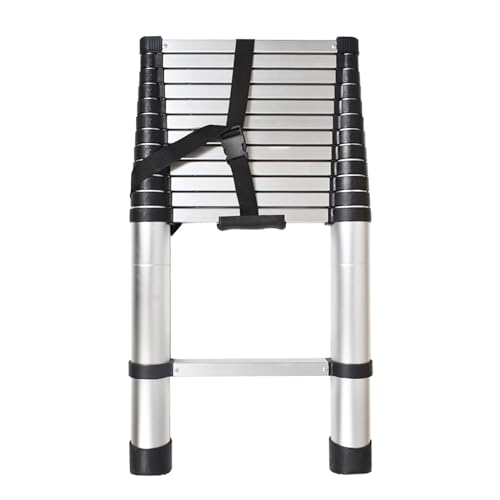
- ✓ Lightweight and portable
- ✓ Easy to adjust
- ✓ Stable and non-slip
- ✕ Not suitable for very high ceilings
- ✕ Slightly wobbly when fully extended
| Material | Aluminum alloy |
| Maximum Height | 12.5 feet (3.81 meters) |
| Sectional Design | Telescoping with adjustable height and independent section opening |
| Weight | Estimated 10-15 kg (based on typical aluminum telescoping ladders) |
| Safety Features | Non-slip end caps and wide steps |
| Storage Size | Compact when folded, suitable for indoor storage and transport |
Pulling this ladder out of the box, I immediately noticed how lightweight it feels in your hands, thanks to the aluminum alloy construction. The smooth sliding sections caught my eye, making me curious about how easy it would be to adjust on the fly.
Once extended, the ladder feels sturdy and stable, thanks to the wide, non-slip end caps gripping the floor or ground securely. I appreciated how each rung locks into place with a satisfying click, giving me confidence when I was reaching for higher spots.
Adjusting the height is a breeze—just press the button and slide. I found the retraction quick and smooth, which is perfect for quick jobs or when you need to switch heights often.
The compact folded size meant I could tuck it behind a door or in my trunk without hassle.
Using it indoors for painting was smooth sailing. The lightweight design made it easy to carry from room to room, and the wide steps felt safe and comfortable, even when standing for a while.
Plus, the aluminum material resisted humidity, so I didn’t worry about rust over time.
Overall, this ladder strikes a nice balance between portability and stability. It’s versatile enough for simple home repairs or painting projects, and the security features gave me peace of mind.
It’s not the tallest ladder around, but for indoor tasks, it’s a real winner.
What Types of Ladders Are Ideal for Indoor Painting?
The best ladders for indoor painting come in various types, each suitable for different tasks and environments.
- Step Ladder: Step ladders are ideal for indoor painting as they provide a stable platform for reaching high areas without taking up much space.
- Extension Ladder: Extension ladders are suitable for accessing higher ceilings or upper walls, making them perfect for larger rooms or spaces with tall fixtures.
- Platform Ladder: Platform ladders offer a larger standing area and are perfect for tasks that require more stability and comfort, such as painting a large wall.
- Multi-Position Ladder: Multi-position ladders can be adjusted to various heights and configurations, making them versatile for different indoor painting projects.
- Articulated Ladder: Articulated ladders can be transformed into different shapes, allowing access to tight spaces and angles, which is beneficial for detailed painting work.
Step ladders are ideal for indoor painting as they provide a stable platform for reaching high areas without taking up much space. They typically come in various heights and can be easily stored in smaller areas, making them a practical choice for indoor projects.
Extension ladders are suitable for accessing higher ceilings or upper walls, making them perfect for larger rooms or spaces with tall fixtures. They can reach significant heights, but it’s essential to ensure they are placed on a flat surface for safety during painting.
Platform ladders offer a larger standing area and are perfect for tasks that require more stability and comfort, such as painting a large wall. The expanded base allows for better distribution of weight, making it safer to maneuver while carrying tools or paint supplies.
Multi-position ladders can be adjusted to various heights and configurations, making them versatile for different indoor painting projects. These ladders can be used as a step ladder, extension ladder, or even a scaffold, which provides flexibility for various painting needs.
Articulated ladders can be transformed into different shapes, allowing access to tight spaces and angles, which is beneficial for detailed painting work. Their ability to adapt to different configurations makes them suitable for intricate indoor painting tasks, such as around furniture or corners.
How Do Step Ladders Enhance Ease and Safety for Indoor Projects?
Step ladders significantly enhance ease and safety for indoor projects through their thoughtful design and functionality. Key features that contribute to this include:
-
Stability and Balance: Most step ladders come with wide, slip-resistant feet and a sturdy base, ensuring they remain stable while users are on them. This stability is crucial when accessing higher spaces, such as ceilings and upper walls.
-
Handrails: Many step ladders feature built-in handrails that provide additional support and security while ascending or descending. This feature minimizes the risk of falls, making indoor painting safer.
-
Height Options: Step ladders are available in various heights, accommodating different ceiling heights in homes. Choosing the right height ensures that users maintain proper posture and minimize strain while reaching for high spots.
-
Lightweight and Portable: Crafted from materials like aluminum or fiberglass, many step ladders are lightweight yet durable. This allows for easy maneuverability within homes, facilitating movement from room to room.
-
Multi-functional Use: Beyond painting, step ladders can assist with various tasks like hanging artwork, changing light bulbs, or reaching high shelves, making them versatile tools for home improvement projects.
Choosing a high-quality step ladder specifically designed for indoor tasks ensures a more efficient, safe, and enjoyable experience.
When Should You Choose an Extension Ladder for Indoor Painting?
When choosing a ladder for indoor painting, an extension ladder is suitable under specific circumstances. Use an extension ladder when:
-
Height Requirements: If you are painting high walls, vaulted ceilings, or inaccessible areas that regular step ladders can’t reach, an extension ladder will provide the height necessary to complete the job safely.
-
Stability and Reach: Extension ladders typically offer greater stability and reach than standard step ladders. If you need to access the top of tall walls or work on crown molding, an extension ladder provides a reliable platform.
-
Larger Areas: For expansive interior spaces or open floor plans where multiple walls need painting, an extension ladder allows for more efficient movement and access without repositioning frequently.
-
Safety Considerations: Modern extension ladders often come with features like rubber feet for grip and adjustable sections for uneven surfaces. This mitigates safety risks while you work on higher surfaces.
Ensure that the ladder you choose has a weight rating that accommodates both your weight and any materials or tools you’ll be carrying. Always follow manufacturer guidelines for safe use, especially on slippery indoor surfaces.
What Advantages Does a Platform Ladder Offer for Indoor Use?
A platform ladder offers several advantages for indoor use, particularly when it comes to tasks like painting.
- Stability: Platform ladders provide a wider base and often have a large, flat platform, which enhances stability compared to traditional step ladders. This ensures that users can stand securely while working at height, reducing the risk of accidents.
- Comfort: The large platform allows for a more comfortable standing area, enabling users to shift their weight easily and maintain balance. This is especially beneficial during long painting sessions, as it reduces fatigue and strain on the legs and feet.
- Accessible Work Surface: The flat platform serves as an additional workspace, providing a place to set paint cans, brushes, and tools. This minimizes the need to frequently climb up and down the ladder for supplies, making the process more efficient.
- Versatility: Many platform ladders are designed to be multi-functional, allowing for various indoor tasks beyond just painting, such as reaching high shelves or performing repairs. This versatility makes them a valuable addition to any home or workspace.
- Safety Features: Most platform ladders come equipped with safety features such as handrails and slip-resistant surfaces. These features enhance user safety, making them suitable for individuals of all skill levels when undertaking indoor projects.
What Key Features Should You Look for in an Indoor Painting Ladder?
When selecting the best ladders for indoor painting, consider the following key features:
- Stability: A stable ladder provides a secure base while you work, reducing the risk of slips and falls. Look for ladders with wide, non-slip feet and a sturdy frame that can support your weight and the equipment you might carry.
- Height: The ideal ladder height allows you to reach all areas without overextending or using unsafe methods. Assess the ceiling height and choose a ladder that offers ample reach, ensuring you can paint comfortably and safely.
- Weight Capacity: Ensure the ladder can safely support your weight along with any additional tools or paint supplies. Check the manufacturer’s specifications for weight limits, as a ladder that can hold more weight often has a sturdier construction.
- Material: Ladders are commonly made from aluminum, fiberglass, or wood, each with its pros and cons. Aluminum ladders are lightweight and easy to maneuver, fiberglass is non-conductive and suitable for electrical work, while wooden ladders can provide a classic feel but may be heavier.
- Portability: A lightweight and foldable ladder is easy to move around your home and store when not in use. Look for ladders that are designed for easy transport without sacrificing stability or safety features.
- Platform or Tray: A built-in platform or tray can be a valuable feature for holding paint cans, brushes, and tools. This convenience allows you to work more efficiently, reducing the need to climb up and down frequently for supplies.
- Safety Features: Features such as locking mechanisms, slip-resistant rungs, and guardrails can enhance safety while you’re painting. Prioritize ladders with these features to minimize the risk of accidents during your project.
How Important Is Ladder Height for Your Painting Tasks?
Ladder height is crucial for ensuring safety and efficiency during indoor painting tasks.
- Step Ladders: Step ladders are ideal for low to medium heights, typically ranging from 4 to 8 feet. They provide stability with a wide base and handrails, making them perfect for reaching ceilings or painting walls without excessive strain.
- Extension Ladders: Extension ladders are suitable for higher indoor spaces, with heights that can reach 20 feet or more. These ladders can be adjusted to various heights, providing flexibility for different painting jobs, but require careful placement to ensure safety.
- Multi-Position Ladders: Multi-position ladders can transform into different configurations, such as step ladders or extension ladders, and are typically adjustable up to 12 feet. They are versatile for various indoor painting tasks and can be easily stored when not in use.
- Platform Ladders: Platform ladders are stable and provide a large surface area to stand on, ideal for longer painting sessions. They generally range from 3 to 10 feet in height and often include guardrails for additional safety, making them suitable for accessing high ceilings or large wall areas.
- Foldable Ladders: Foldable ladders are compact and lightweight, making them easy to transport and store. They usually reach heights of 6 to 8 feet, making them practical for indoor painting tasks where maneuverability is essential.
What Role Do Weight Capacity and Stability Play in Your Ladder Choice?
Weight capacity and stability are crucial factors to consider when selecting the best ladders for indoor painting.
- Weight Capacity: The weight capacity indicates the maximum load a ladder can safely support, including the user and any tools or materials. Choosing a ladder with an appropriate weight capacity ensures safety and prevents accidents, especially when working at heights while painting.
- Stability: Stability refers to how secure and balanced a ladder feels during use. A stable ladder minimizes the risk of tipping over or wobbling, which is particularly important when reaching for high spots while painting, allowing for more precise and safe movements.
- Material Composition: The material of the ladder affects both weight capacity and stability. Aluminum ladders are lightweight and easy to maneuver, making them great for indoor use, while fiberglass ladders are heavier but offer better stability and insulation against electrical hazards.
- Ladder Design: The design of the ladder, including features like wider rungs or a flared base, contributes to its overall stability. A well-designed ladder can provide better footing and support, which is essential for tasks that require prolonged standing and balance while painting.
- Height Range: The height range of the ladder plays a role in stability, as a ladder that is too short may require awkward reaching, while one that is too tall can be more challenging to handle. Selecting a ladder that fits the specific height requirements of your indoor painting project ensures you can work comfortably and safely.
Why Are Ladder Materials Significant for Indoor Painting?
According to the American National Standards Institute (ANSI), the material of a ladder can affect its weight, stability, and durability, which are crucial factors when performing tasks like painting that require reaching high places. For instance, fiberglass ladders are non-conductive and often recommended for indoor use, especially in environments where electrical hazards may be present, while aluminum ladders are lightweight and easy to maneuver but may pose a risk in the vicinity of electrical wiring.
The choice of ladder material also affects the user’s comfort and efficiency. A heavier ladder may lead to fatigue, which can compromise safety and productivity. Additionally, ladders made from materials that are less likely to damage floors or walls, such as rubberized feet on fiberglass or aluminum, help maintain the integrity of the indoor environment while allowing for effective access to heights. This balance of safety, ease of handling, and protection of property underscores the importance of selecting appropriate ladder materials for indoor painting tasks.
What Safety Precautions Should You Follow When Using Ladders Indoors?
When using ladders indoors, it is essential to follow specific safety precautions to ensure a safe working environment.
- Choose the Right Ladder: Selecting a ladder that is appropriate for the task at hand is crucial. For indoor painting, a step ladder or an extension ladder that reaches the necessary height without being too tall is recommended to provide stability and prevent tipping.
- Inspect the Ladder: Before use, always check the ladder for any signs of damage or wear, such as cracks, loose rungs, or bent frames. Ensuring that the ladder is in good condition helps prevent accidents that could occur due to structural failure.
- Maintain a Stable Base: Set the ladder on a flat, stable surface to avoid wobbling. If the surface is uneven, make adjustments or use leveling devices to ensure that the ladder is secure before ascending.
- Use Proper Ladder Placement: Position the ladder at the correct angle (approximately 75 degrees) to enhance stability. The base should be one foot away from the wall for every four feet of height to maintain equilibrium.
- Keep the Area Clear: Ensure that the space around the ladder is free from obstructions and hazards. This includes removing tools, paint cans, and other items that could cause tripping or falling while working at height.
- Follow the Three Points of Contact Rule: Always maintain three points of contact with the ladder—two hands and one foot, or two feet and one hand—when climbing or descending. This practice significantly reduces the risk of slipping and falling.
- Do Not Overreach: When working on a ladder, avoid leaning too far to one side or overreaching, as this can lead to loss of balance. Instead, reposition the ladder as needed to maintain stability and safety while painting.
- Wear Appropriate Footwear: Use shoes with non-slip soles to enhance traction while on the ladder. Proper footwear helps prevent slipping and provides better grip on the rungs.
- Secure the Ladder: If possible, have someone hold the ladder while you work to provide additional stability. Alternatively, use ladder stabilizers or safety straps designed to keep the ladder in place during use.
What Steps Can You Take to Ensure Ladder Stability While Painting?
To ensure ladder stability while painting indoors, consider the following steps:
- Choose the Right Ladder: Select a ladder that fits your needs, such as a step ladder or extension ladder, depending on the height you need to reach.
- Inspect the Ladder: Before use, check for any damage like cracks or bent rungs, as these can compromise stability and safety.
- Set Up on Level Ground: Ensure the ladder is placed on a flat and stable surface to prevent it from wobbling or tipping over.
- Use Ladder Stabilizers: Consider using stabilizers or leg levelers to enhance the ladder’s grip and stability, especially on uneven surfaces.
- Maintain Three Points of Contact: When climbing or working from the ladder, keep two hands and one foot, or two feet and one hand, in contact with the ladder at all times.
- Don’t Overreach: Avoid leaning too far to one side, as it can destabilize the ladder; instead, reposition the ladder as needed for a safer reach.
- Follow Weight Guidelines: Adhere to the ladder’s weight limit, including your body weight and any tools or materials you are carrying, to prevent overloading.
Choose the Right Ladder: Selecting the correct type of ladder is crucial for safety and stability. A step ladder is ideal for lower heights and provides easy access to walls, while an extension ladder is better suited for taller areas, ensuring you have the right reach without compromising stability.
Inspect the Ladder: Regularly inspecting your ladder for any signs of wear or damage is essential for safety. Look for cracks in the frame, wear on the rungs, and ensure all components are secure; any deficiencies can lead to dangerous situations while painting.
Set Up on Level Ground: Positioning your ladder on an uneven surface can lead to instability and falls. Always make sure that the base is on firm, level ground, and avoid using it on soft surfaces like grass or uneven pavement.
Use Ladder Stabilizers: Ladder stabilizers can provide additional support and prevent the ladder from swaying or tipping, especially when working on uneven surfaces. These devices can be attached to the ladder to enhance stability and safety during your painting tasks.
Maintain Three Points of Contact: Keeping three points of contact with the ladder while working is a safety strategy that helps prevent falls. This means having two hands and one foot or two feet and one hand on the ladder, allowing for better balance and control.
Don’t Overreach: Reaching too far can cause the ladder to tip over, leading to falls. It’s safer to reposition the ladder frequently rather than stretching beyond your reach, which helps maintain balance and stability as you work.
Follow Weight Guidelines: Each ladder has a specified weight limit that should not be exceeded. This includes your weight along with any tools or materials you may be carrying, as exceeding the limit can lead to structural failure and accidents.
What Common Mistakes Should You Avoid When Using Ladders Inside?
When using ladders inside for tasks such as painting, there are several common mistakes to avoid to ensure safety and efficiency.
- Choosing the wrong ladder type: Opting for a ladder that is not suited for indoor use can lead to instability and accidents. For indoor painting, it’s best to select a lightweight step ladder that offers a stable platform while allowing for easy maneuverability in tight spaces.
- Ignoring weight limits: Every ladder has a specified weight limit that should not be exceeded. Overloading the ladder can compromise its stability and increase the risk of falls, so ensure you account for both your weight and any tools or materials you may be carrying.
- Improper ladder placement: Placing a ladder on uneven surfaces or too close to walls can lead to tipping. Always ensure the ladder is on a flat, stable surface and positioned at the correct angle to maximize safety and reach.
- Neglecting to secure the ladder: Failing to stabilize the ladder can result in slips and falls. Using a ladder with rubber feet or securing it against a wall can help prevent movement while you work.
- Climbing with tools in hand: Attempting to climb while carrying tools can lead to loss of balance and falls. Always use a tool belt or other carrying device to keep your hands free while ascending or descending the ladder.
- Overreaching while on the ladder: Leaning too far to one side can cause the ladder to tip over. Always keep your body centered and maintain three points of contact with the ladder to ensure stability while working.
- Neglecting to inspect the ladder: Failing to check the ladder for damage before use can lead to accidents. Look for any cracks, loose rungs, or other signs of wear and tear to ensure the ladder is safe for use.
Which Brands Are Considered the Best for Indoor Painting Ladders?
The best ladders for indoor painting are known for their stability, height options, and ease of use.
- Little Giant Ladders: Renowned for their versatility, Little Giant ladders can be converted into various shapes, providing options for different tasks.
- Werner is a trusted brand in ladder manufacturing, offering durable and lightweight options that are ideal for indoor painting projects.
- Louisville Ladder: This brand focuses on safety and stability, with ladders that often feature wider steps and a strong build, making them suitable for extended use.
- Cosco Ladders: Known for their affordability and practicality, Cosco ladders are lightweight and easy to maneuver, making them perfect for indoor painting tasks.
- Rubbermaid Ladders: Rubbermaid ladders are designed for home use with a focus on stability and convenience, providing a secure feeling while painting indoors.
Little Giant ladders offer a unique design that allows for multiple configurations, making them adaptable for various indoor environments. Their sturdiness and safety features ensure they can handle the demands of painting at different heights.
Werner ladders are crafted with high-quality materials that ensure long-lasting performance. Their lightweight design makes them easy to transport, while the non-slip steps provide added security, which is essential when balancing while painting.
Louisville Ladder emphasizes safety with features like extra-wide steps and a robust frame. This brand is particularly favored by professionals who require reliable equipment that can withstand rigorous use without compromising safety.
Cosco ladders stand out for their budget-friendly pricing without sacrificing quality. Their practical designs make them easy to set up and use, ideal for DIY painters looking to complete their projects efficiently.
Rubbermaid ladders prioritize user comfort and stability. With features like a wider base and anti-slip feet, they provide a secure platform for painting tasks, reducing the risk of accidents during indoor projects.
What Features Distinguish Top-Quality Ladder Brands for Indoor Use?
The best ladders for indoor painting possess several key features that enhance safety, stability, and convenience.
- Stability: A top-quality ladder for indoor use should have a wide base and non-slip feet to prevent tipping during use. This stability is crucial for maintaining balance while painting at various heights.
- Lightweight Design: Ladders made from lightweight materials such as aluminum or fiberglass are easier to maneuver indoors. A lighter ladder reduces user fatigue and makes repositioning during painting tasks much simpler.
- Height Versatility: Quality ladders often come in multiple height options, allowing users to reach high ceilings or difficult spots without compromising safety. A versatile height range ensures that the ladder can be used for various indoor projects beyond painting.
- Safety Features: Look for ladders equipped with safety features like locking mechanisms and guardrails. These elements are essential for preventing accidental collapses and providing additional support while working on elevated surfaces.
- Portability: The best ladders for indoor painting typically have foldable designs that make storage and transportation easy. Features like built-in handles or lightweight structures enhance portability, making it more convenient to move the ladder from one room to another.
- Durable Construction: High-quality ladders are constructed to withstand the rigors of indoor use, often featuring corrosion-resistant materials. This durability ensures longevity, so the ladder can be used for multiple painting projects over the years without deteriorating.
- Comfortable Steps: Ladders designed for indoor use often have wider steps or textured surfaces that provide better footing. Comfortable and secure steps are essential for reducing fatigue and improving overall safety during long painting sessions.